The decision to hire an editor is a fairly big one, so it’s advisable to do a little research first.

Editors specialise in different genres. Whether you write fantasy, thrillers or literary fiction, you want your editor to have the right experience.
Specialism
My specialism is broad but in one way specific. The service I offer is for newbie writers. (If you send me a very polished, close to professional, manuscript, I will return it with some alternative editor suggestions at no charge.)
Nurturing
Why might a newbie writer need a dedicated service? One big reason is grammar. I know, it’s arduous and annoying that weak grammar masks creative talent, but it does, so it’s important to strengthen it. As writers, our goal is to write so fluidly that our readers forget they are reading. We want people to lose themselves in our stories. Imperfect grammar prevents this by raising hurdles in a story’s flow.
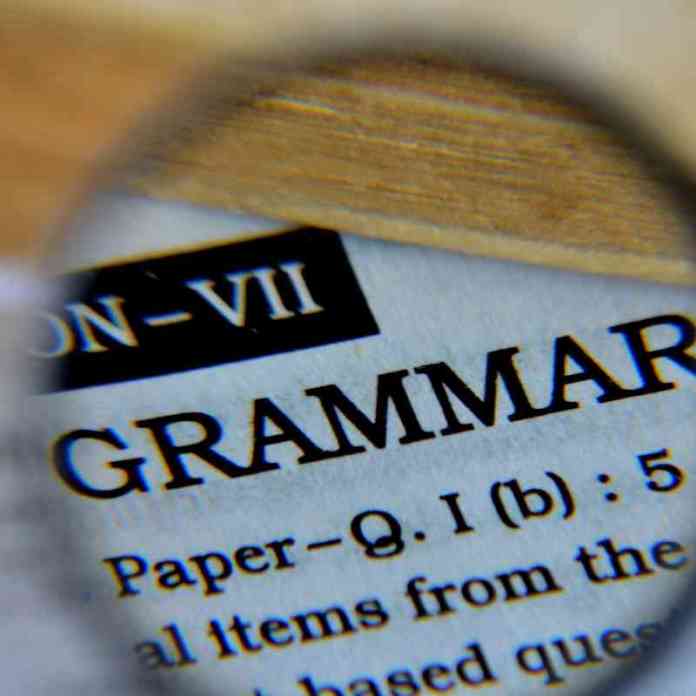
Poor grammar is also an obstacle to becoming published, and our education system is such that, (don’t get me started!) many newbie writers aren’t even aware their grammar needs improvement. (Yes, AI fixes grammar. Yes, AI gets it wrong. Yes, understanding grammar will ensure you spot AI’s fu… mistakes.)
“Gail’s feedback is spot-on and completely focused on making each story the best it can be. She’s really changed the way I think about writing.”
—Sue, Cornwall
Be Your Own Editor
A lot of big editing houses won’t take on newbie writers because correcting grammar is complicated and so costs more than the average client can afford. My solution, is to edit an affordable snapshot of your work with such transparency that after collaborating with me, you will know how to improve the grammar yourself.
Your Voice
You will also learn: to better spot organic moments in which to reveal information about characters; how to make dialogue authentic, build tension, define what motivates your characters, deliver dramatic climaxes and perfect your vision. Newbie writers generally hire me to edit a short story or a couple of chapters, from which collaborative experience they learn how to be their own editor. Click the links below for more information.
Your Project
Many people I’ve worked with have become published and won competitions. So email me a rough project outline to receive helpful suggestions for your creative journey, or if you’d prefer to chat, email your phone number and I will call you right back: whatgailwrote@gmail.com


 what gail wrote