
When I tell people I teach creative writing, they frequently reply, ‘Isn’t writing just inspiration?’
Well, I don’t disagree with the inspiration part.
That Page-Turning Effect
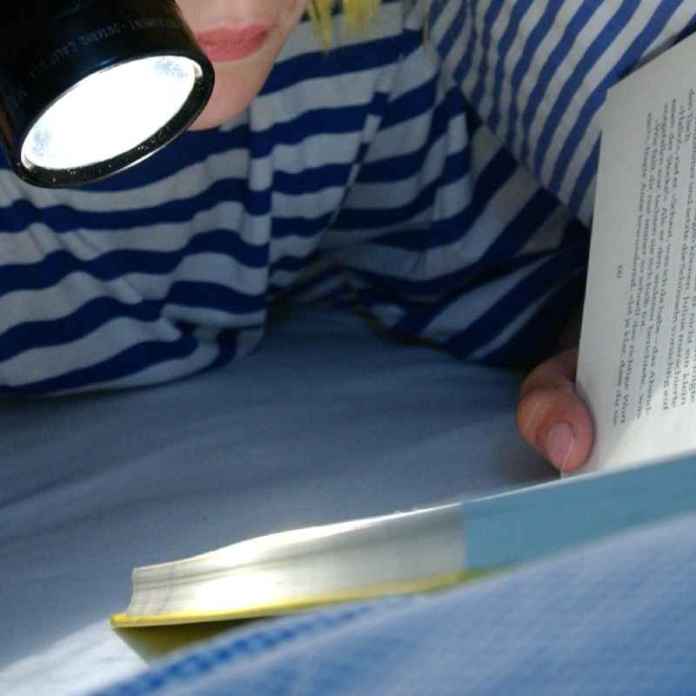
I was one of those kids who can’t put a book down. My mum would tell me to go to sleep and I’d wait for her to leave so I could pull my duvet over my head and keep reading with a torch. As if she couldn’t see the big glowing hump on my bed. A little less romantic when I think about kids reading tablets and phones under the covers, but I hope some of them are reading stories instead of social media posts.
Immersion
As writers, we strive to give our readers that kind of total immersion. As a teacher, it’s my job to draw students’ attention to techniques that will do just that. This is tricky, because we all have different taste.
‘Floating Opposites’
In The West Wing, Aaron Sorkin’s character Toby coins the term ‘Floating Opposites’ to describe a speech-writing technique. It’s an expression I’ve adapted for my classes, because it perfectly describes the interconnected nature of character and structure in storytelling. Take Tolkien’s The Lord of the Rings. His epic story follows a quest, Frodo’s journey to destroy a malignant power. However, its unfolding revolves around the two directions Frodo is pulled in, between his pure nature and the corruption of the ring. For the duration of the novel, Frodo Baggins ‘floats’ between two states. He is in a permanent state of flux.
State of Flux
I cannot think of a single gripping story where the protagonist is not in a state of flux, maybe caught between danger and safety, or struggling with temptation and restraint. No matter your taste, whatever you’re reading, try to pinpoint the opposing forces at work on each of the main characters in the book you’re currently enjoying.
Inspiration
There is no question that The Lord of the Rings is inspired, with its strange creatures and intricate world; but it is not imagination alone that keeps generation after generation turning its pages, wanting to know what happens next. See the post Writing Prompt – Floating Opposites to put this theory into practice.


Pingback: Writing Prompt – Floating Opposites | what gail wrote